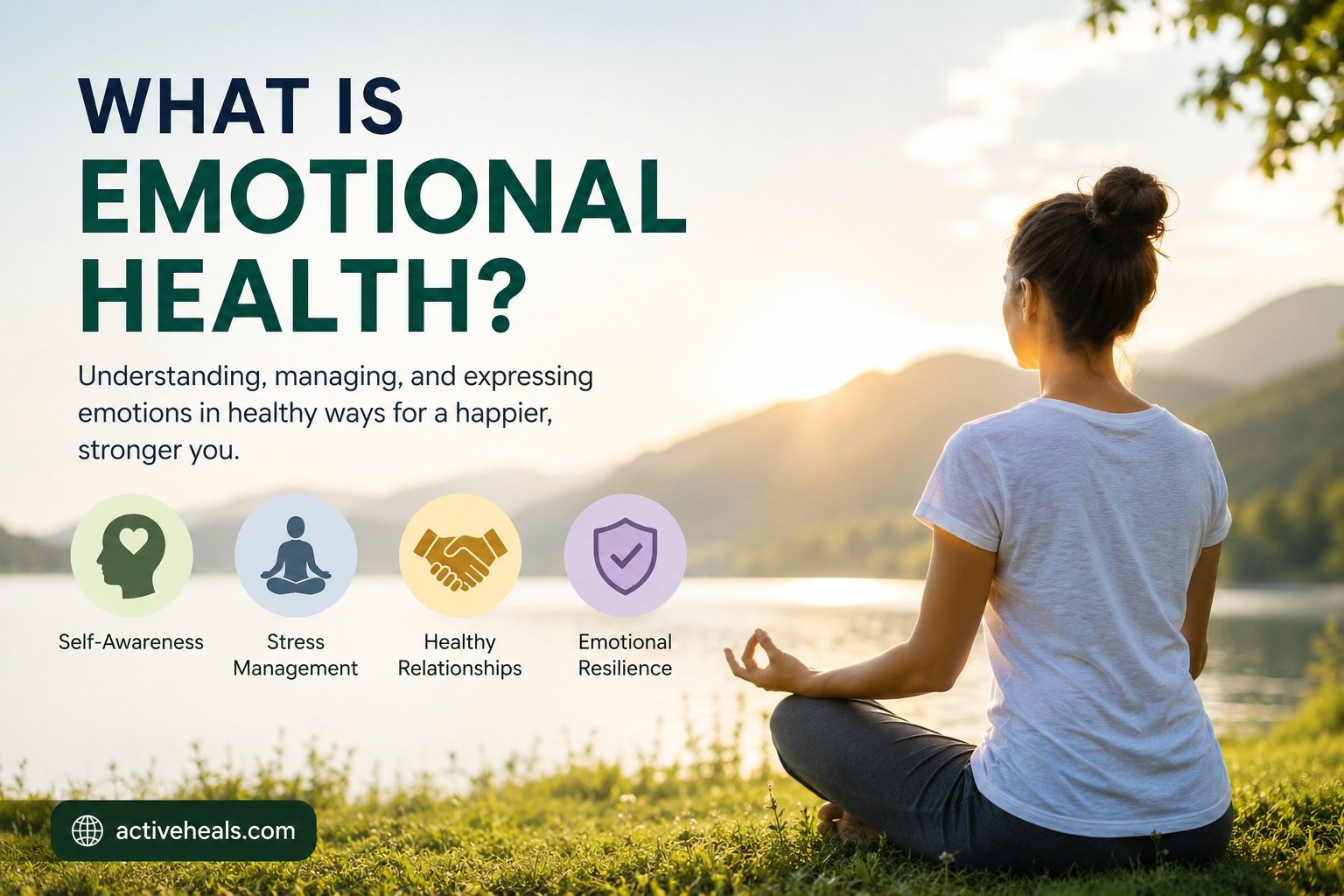
What Is Emotional Health? Signs, Benefits, and Ways to Improve
Emotional health is an essential part of overall well-being that affects how people think, feel, and respond to life’s challenges. While physical health often receives the most attention, emotional health plays an equally important role in determining the quality of life. It influences relationships, decision-making, stress management, productivity, and even physical wellness.
Many people assume emotional health simply means being happy all the time. In reality, emotionally healthy individuals experience a full range of emotions, including happiness, sadness, frustration, excitement, and disappointment. The difference is that they can understand, manage, and express these emotions in healthy and constructive ways.
This guide explores what emotional health is, why it matters, the signs of strong emotional well-being, and practical strategies to improve it.
Understanding Emotional Health
Emotional health refers to a person’s ability to recognize, understand, manage, and express emotions effectively. It also includes the ability to cope with stress, adapt to change, recover from setbacks, and maintain positive relationships.
Being emotionally healthy does not mean avoiding difficult emotions. Instead, it means having the resilience and emotional awareness needed to navigate life’s ups and downs without becoming overwhelmed.
Emotional health is closely connected to mental health, but the two terms are not identical. Mental health encompasses cognitive, psychological, and emotional functioning, while emotional health focuses specifically on emotional awareness, regulation, and resilience.
Why Emotional Health Is Important
Emotional health affects nearly every aspect of life. When emotional well-being is strong, individuals are better equipped to handle challenges, communicate effectively, and maintain a positive outlook.
Some key reasons emotional health matters include:
Better Stress Management
Life inevitably brings stress. Emotionally healthy people can identify stressors and use healthy coping mechanisms to manage pressure without becoming overwhelmed.
Improved Relationships
Strong emotional health supports healthy communication, empathy, trust, and conflict resolution. These skills help build stronger personal and professional relationships.
Enhanced Physical Health
Research has shown that emotional well-being can influence physical health. Chronic stress, anxiety, and emotional distress may contribute to sleep problems, weakened immunity, high blood pressure, and other health issues.
Greater Resilience
Resilience is the ability to recover from adversity. Emotional health helps people bounce back from disappointments, failures, and unexpected life changes.
Increased Productivity
People with strong emotional health often have better focus, motivation, decision-making abilities, and workplace performance.
Signs of Good Emotional Health
Recognizing the characteristics of emotional wellness can help individuals assess their own emotional well-being.
Self-Awareness
Emotionally healthy individuals understand their emotions and can identify what triggers certain feelings.
Healthy Emotional Expression
They can communicate emotions honestly and appropriately without suppressing or excessively expressing them.
Positive Relationships
Strong emotional health often leads to supportive, respectful, and meaningful relationships.
Adaptability
Emotionally healthy people can adjust to new situations and navigate uncertainty with greater confidence.
Self-Confidence
They generally maintain a realistic and positive sense of self-worth.
Effective Stress Management
Rather than relying on unhealthy coping mechanisms, they use constructive strategies to deal with challenges.
Ability to Set Boundaries
Healthy emotional functioning includes knowing when to say no and protecting personal well-being.
Common Signs of Poor Emotional Health
Poor emotional health can develop gradually and may affect daily functioning.
Some warning signs include:
- Constant feelings of sadness or hopelessness
- Difficulty managing anger or frustration
- Frequent mood swings
- Social withdrawal
- Chronic stress or anxiety
- Low self-esteem
- Trouble concentrating
- Changes in sleep patterns
- Emotional numbness
- Difficulty maintaining relationships
Experiencing these symptoms occasionally is normal. However, persistent emotional difficulties may indicate a need for additional support.
Factors That Influence Emotional Health
Many factors contribute to emotional well-being.
Physical Health
Regular exercise, quality sleep, and balanced nutrition can significantly affect mood and emotional resilience.
Relationships
Supportive relationships provide emotional security and a sense of belonging.
Life Experiences
Trauma, loss, financial difficulties, and major life transitions can impact emotional health.
Work and Environment
Stressful work environments, unhealthy relationships, and negative surroundings may affect emotional well-being.
Personal Mindset
Thought patterns, self-talk, and coping strategies play a major role in emotional resilience.
How to Improve Emotional Health
Emotional health can be strengthened through intentional habits and lifestyle choices.
Practice Self-Awareness
Take time to reflect on your emotions and understand what influences them. Journaling can help identify patterns and emotional triggers.
Develop Healthy Coping Skills
Replace unhealthy coping mechanisms with positive alternatives such as exercise, meditation, deep breathing, or creative activities.
Build Strong Relationships
Spend time with supportive friends and family members. Meaningful social connections provide emotional support during difficult times.
Prioritize Physical Health
Regular physical activity, adequate sleep, and nutritious meals contribute significantly to emotional well-being.
Manage Stress Effectively
Identify stress triggers and develop strategies to address them before they become overwhelming.
Practice Mindfulness
Mindfulness encourages living in the present moment and can help reduce anxiety and emotional reactivity.
Set Realistic Goals
Achievable goals create a sense of purpose and accomplishment while reducing feelings of overwhelm.
Seek Professional Support
Therapists, counselors, and mental health professionals can provide valuable guidance when emotional challenges become difficult to manage independently.
Emotional Health and Daily Life
Emotional health affects everyday experiences more than many people realize. From workplace interactions to family relationships and personal goals, emotional well-being shapes how individuals respond to challenges and opportunities.
For example, a person with strong emotional health may handle criticism constructively, while someone struggling emotionally might view the same feedback as a personal attack. Similarly, emotionally healthy individuals are often better equipped to navigate unexpected setbacks and maintain a balanced perspective.
Building emotional health is an ongoing process rather than a one-time achievement. Daily habits and choices accumulate over time, creating a foundation for greater resilience and well-being.
The Connection Between Emotional Health and Happiness
Although emotional health and happiness are related, they are not the same thing. Happiness is a temporary emotional state, while emotional health represents a broader ability to manage a wide range of emotions.
A person can be emotionally healthy even when experiencing sadness, grief, or frustration. The key lies in processing emotions effectively rather than avoiding or suppressing them.
When emotional health is strong, individuals often experience greater life satisfaction, stronger relationships, and an increased sense of purpose.
Conclusion
Emotional health is a vital component of overall wellness that influences how people think, feel, and interact with the world around them. It involves understanding emotions, managing stress, maintaining healthy relationships, and adapting to life’s challenges with resilience.
By practicing self-awareness, developing healthy coping strategies, nurturing supportive relationships, and prioritizing physical well-being, individuals can strengthen their emotional health and improve their quality of life. While challenges are a natural part of life, strong emotional health provides the foundation needed to navigate them successfully.
Frequently Asked Questions
What is emotional health in simple words?
Emotional health is the ability to understand, manage, and express emotions in healthy ways while coping effectively with life’s challenges.
Why is emotional health important?
Emotional health supports better stress management, stronger relationships, improved physical health, and greater resilience.
What are the signs of good emotional health?
Common signs include self-awareness, emotional control, positive relationships, adaptability, self-confidence, and healthy coping skills.
How can I improve my emotional health?
You can improve emotional health by practicing mindfulness, exercising regularly, getting enough sleep, building supportive relationships, and managing stress effectively.
Is emotional health the same as mental health?
No. Emotional health focuses on understanding and managing emotions, while mental health includes emotional, psychological, and cognitive well-being.