Postpartum Hair Loss: Causes, Timeline & Effective Remedies
Welcoming a new baby is undoubtedly one of life’s most joyful experiences. However, along with the bliss of motherhood comes an array of changes—both physical and emotional. One common concern many new moms face is postpartum hair loss. You may have heard stories from friends or read articles about it, but experiencing it firsthand can feel alarming and confusing.
If you’ve recently given birth and noticed your once-thick locks thinning out, you’re not alone. This phenomenon affects a significant number of women after childbirth, often leaving them puzzled about what to expect and how to cope. Understanding the causes behind postpartum hair loss can empower you to manage this transition more effectively.
Let’s delve into the ins and outs of postpartum hair loss—the reasons why it happens, its timeline, effective remedies for regrowth, and tips on navigating this challenging phase with confidence.
Understanding Postpartum Hair Loss
Postpartum hair loss is a common experience for many new mothers. This condition typically occurs within the first few months after giving birth and can be quite alarming.
The primary reason behind this change lies in hormonal fluctuations that follow childbirth. During pregnancy, elevated hormone levels support thick, luscious hair growth. However, once you deliver, these hormone levels drop sharply.
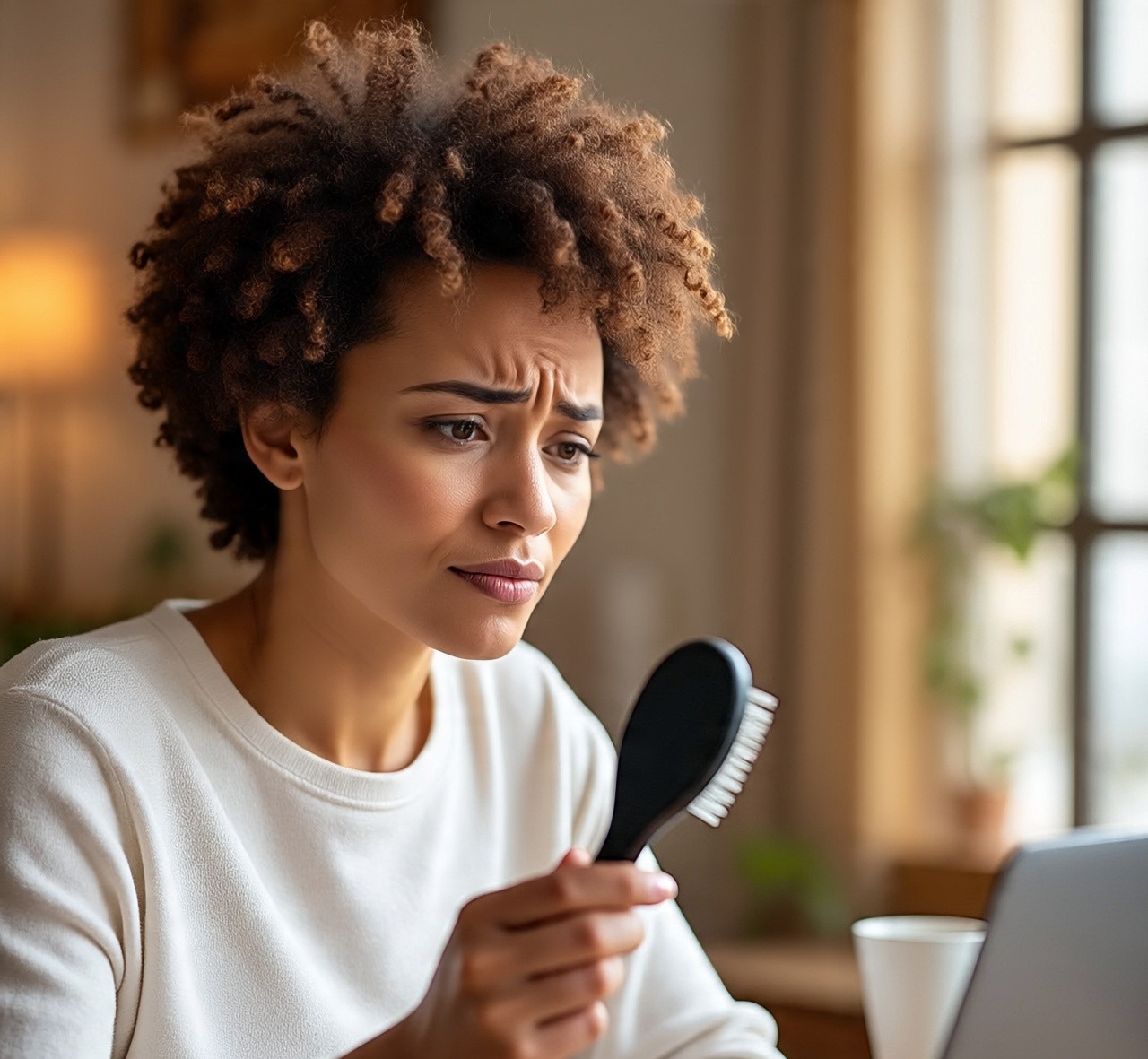
As a result, many women notice increased shedding as their bodies return to pre-pregnancy states. It’s not unusual to find clumps of hair in your brush or on your pillowcase during this period.
While it may feel distressing at times, understanding postpartum hair loss helps normalize the experience. Knowing that it’s temporary can bring some peace of mind amidst the myriad changes occurring in your life right now.
The Hormonal Changes That Contribute to Hair Loss After Pregnancy
During pregnancy, your body goes through a whirlwind of hormonal shifts. Increased levels of estrogen keep hair in the growth phase longer, which leads to that luscious mane many women experience.
After giving birth, however, these hormone levels drop sharply. This sudden change can trigger postpartum hair loss. Hair follicles that were once thriving may enter the shedding phase too soon.
Progesterone also plays a role here. Its decline post-pregnancy contributes to thinning hair for some new mothers. Stress and sleep deprivation further complicate things as they can exacerbate hormonal imbalances.
The combination of these factors creates a perfect storm for hair loss during the postpartum period. It might feel overwhelming at times, but understanding this biological process helps normalize what you’re experiencing. Remember, you’re not alone in this journey; many women face similar challenges after welcoming their little ones into the world.
The Timeline of Postpartum Hair Loss
After giving birth, many new mothers notice a shift in their hair. This change often begins around three months postpartum.
During this period, the body starts to shed hair that was previously retained during pregnancy. It’s a natural process influenced by hormonal fluctuations.
The shedding can last for up to six months, with some women experiencing more intense thinning than others. By the end of this phase, most will see a gradual return of their usual hair growth patterns.
However, it’s important to note that everyone’s experience is unique. Some may regain their full thickness sooner while others might take longer to recover fully.
Understanding this timeline helps in managing expectations and seeking effective solutions when needed.
Tips for Dealing with Postpartum Hair Loss
Dealing with postpartum hair loss can feel overwhelming. Start by being gentle with your hair. Avoid tight hairstyles that pull on the roots and opt for loose, comfortable styles instead.
Incorporating a balanced diet rich in vitamins is essential. Foods high in iron, zinc, and biotin support healthy hair growth. Think leafy greens, nuts, seeds, and eggs.
Consider regular scalp massages to stimulate blood flow. This simple practice can encourage new growth while also providing a moment of relaxation amid the chaos of motherhood.
Stay hydrated too! Drinking plenty of water helps maintain overall health and nourishes your hair from within.
Don’t shy away from seeking professional advice if needed. A dermatologist or trichologist can provide tailored solutions specific to your situation. Remember that you’re not alone; many women experience this transition after giving birth.
Effective Remedies for Promoting Hair Growth
To combat postpartum hair loss, consider incorporating essential oils into your routine. Oils like rosemary and peppermint not only invigorate the scalp but also stimulate blood circulation, promoting hair growth.
Nutritional support is crucial as well. Focus on a balanced diet rich in vitamins A, C, D, E, and minerals such as zinc and iron. Foods like leafy greens, nuts, seeds, and fatty fish can provide the nutrients needed for healthy hair.
Scalp massages are another effective method. Massaging the scalp with gentle pressure encourages blood flow to hair follicles. This simple practice can be both relaxing and beneficial for regrowth.
Additionally, over-the-counter supplements designed specifically for hair health may help restore lost volume. Look for biotin or collagen-based products that target thinning strands effectively.
Maintaining a stress-free environment will promote overall wellness—both mentally and physically—which can aid in restoring your luscious locks.
Coping with the Emotional Impact of Postpartum Hair Loss
Postpartum hair loss can be more than just a physical change; it often triggers deep emotional responses. Many new mothers find themselves feeling anxious or less attractive, which can affect their self-esteem.
It’s important to acknowledge these feelings. Sharing your experiences with friends or joining support groups can provide comfort and understanding. Knowing that you’re not alone in this journey helps ease the emotional burden.
Practicing self-care is essential during this time. Simple activities like taking a warm bath, practicing yoga, or journaling about your feelings can help you reconnect with yourself outside of motherhood.
Consider talking to a therapist if overwhelming emotions persist. Professional guidance offers strategies for coping and promotes mental well-being amidst the challenges of postpartum life. Embracing small daily rituals focused on positivity may also foster resilience as you navigate through this phase.
Conclusion
Postpartum hair loss is a common experience for many new mothers. Understanding the underlying causes can help you navigate this challenging phase with more ease. The hormonal shifts that occur after childbirth play a significant role in hair thinning and shedding.
Knowing the timeline of postpartum hair loss allows you to anticipate changes and manage expectations effectively. This period typically begins around three months post-delivery, peaking at six months before gradually subsiding.
While seeing clumps of hair in your brush can be alarming, there are practical ways to address it. Maintaining a healthy diet rich in vitamins and minerals is essential for promoting regrowth. Gentle scalp massages or using specific shampoos designed for thinning hair can also support your journey back to fuller locks.
Emotional well-being plays an equally important role during this time. Connecting with other mothers who share similar experiences helps normalize feelings of frustration or anxiety about appearance changes.
This transitional phase will pass, making room for new growth—both in terms of your changing body and lifestyle as a mother. Remember to take care of yourself holistically, embracing both the struggles and joys that come with motherhood while supporting your health along the way.