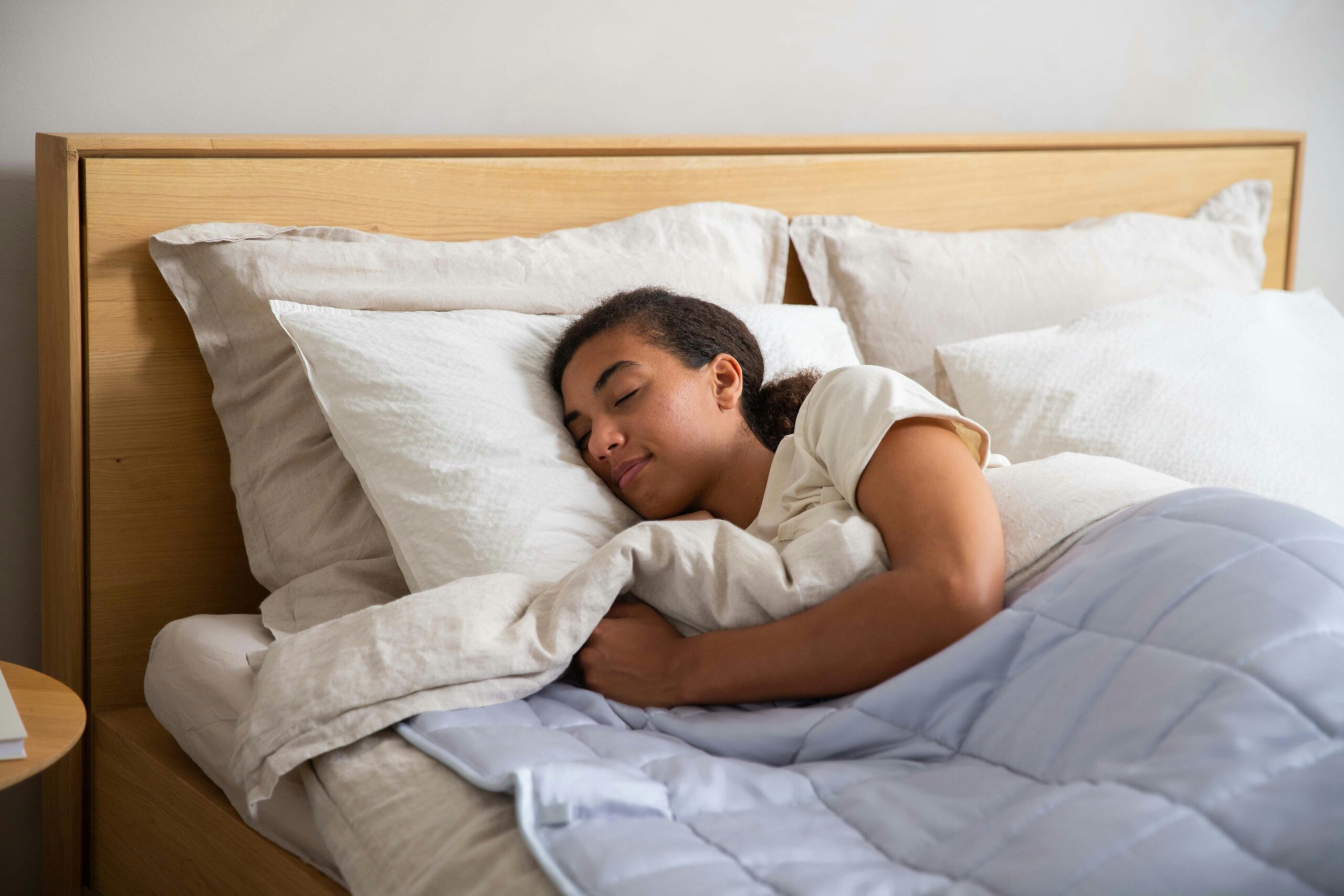
How to Fall Asleep Fast: Expert Tips for Better Sleep
Are you tossing and turning at night, desperately trying to catch some Z’s? You’re not alone. Millions of people struggle with sleep issues that leave them feeling groggy and irritable the next day. Sleep is more than just a luxury; it’s an essential part of our well-being. Without enough quality rest, our mood, cognitive function, and overall health can take a hit.
But what if I told you that falling asleep could be easier than you think? With a few expert tips and simple lifestyle changes, you can transform your nightly routine into a pathway for restful slumber. From creating the perfect sleeping environment to incorporating calming foods into your diet, there are numerous ways to enhance your sleep experience. Let’s dive in and explore how to fall asleep fast so you can wake up refreshed and ready to tackle the day ahead!
The Importance of Getting Enough Sleep
Sleep is the foundation of good health. It affects nearly every aspect of our lives, from mood to memory and even immune function. When we skimp on sleep, we don’t just feel tired; our bodies react in ways that can impact our overall well-being.
Adequate rest helps to regulate hormones that control appetite and stress. Lack of sleep can lead to weight gain and increased anxiety. It’s a cycle that many find hard to break.
Additionally, quality sleep enhances cognitive performance. It allows your brain time to process information and form memories effectively. This means better focus during the day and improved problem-solving skills.
Moreover, restorative sleep supports heart health by reducing blood pressure levels while you dream away. Prioritizing sleep isn’t just about feeling rested; it’s about investing in your long-term health and happiness in a world that’s always demanding more from us.
Common Sleep Issues and Their Effects
Sleep issues are more common than many realize. Insomnia, for instance, affects millions and can lead to restless nights filled with tossing and turning. That not only drains energy but also impacts mood.
Another prevalent problem is sleep apnea. This condition interrupts breathing during sleep, resulting in frequent awakenings. Those affected often feel exhausted despite a full night’s rest.
Nightmares and anxiety-driven sleeplessness further complicate the landscape of sleep disorders. They create an ongoing cycle of fear that makes it hard to drift off comfortably.
Chronic fatigue from poor sleep quality spills into daily life too. Concentration wanes, productivity dips, and emotional health suffers dramatically as the body struggles to cope without sufficient rest. Understanding these issues is crucial for tackling them head-on while seeking better sleep solutions.
Tips for Falling Asleep Quickly:
Creating a soothing environment is essential for promoting relaxation. Dim the lights in your bedroom and keep it cool, ideally around 65°F (18°C). Consider using blackout curtains to block out any unwanted light.
Establishing a consistent bedtime routine signals to your body that it’s time to wind down. Try reading a book or listening to calming music before bed. Aim for the same sleep schedule each night, even on weekends.
Incorporating relaxation techniques like deep breathing or meditation can be transformative. These practices help quiet racing thoughts and reduce anxiety, making it easier to drift off into slumber.
Consider avoiding stimulating activities close to bedtime. This includes intense discussions or high-energy workouts late in the evening. Instead, engage in gentle stretches or yoga poses that promote tranquility as you prepare for sleep.
Create a Soothing Environment
The right environment can make all the difference when learning how to fall asleep. Start by dimming the lights in your bedroom. Soft lighting signals your body that it’s time to wind down.
Consider using blackout curtains or an eye mask to keep out any disruptive light from outside. A dark room promotes melatonin production, aiding sleep.
Sound is another essential factor. If silence feels overwhelming, try a fan or white noise machine for gentle background sounds. This can drown out distracting noises and create a calming atmosphere.
Temperature plays a crucial role too. Keep your bedroom cool—between 60 and 67 degrees Fahrenheit is ideal for most people. A cooler room helps lower body temperature, signaling it’s time for rest.
Add personal touches like soothing scents with essential oils or light candles before bed. Scents like lavender are known for their relaxing properties and can enhance your cozy sanctuary.
Follow a Consistent Bedtime Routine
Establishing a consistent bedtime routine is crucial for signaling your body that it’s time to wind down. Routines create a sense of predictability, which can help ease anxiety and prepare you for sleep.
Start by setting a specific bedtime each night. This helps regulate your internal clock, making it easier to fall asleep quickly.
Incorporate calming activities into your pre-sleep ritual. Reading a book or taking a warm bath can be effective ways to relax the mind and body.
Avoid stimulating activities close to bedtime. Steer clear of intense workouts or stressful tasks as they may keep you awake longer than intended.
Consistency is key here—try to stick to the same routine even on weekends. This will enhance the quality of your sleep over time and make falling asleep feel more natural.
Try Relaxation Techniques like Deep Breathing or Meditation
Relaxation techniques can be game-changers for those struggling with sleep. Deep breathing is a simple yet powerful method. By focusing on your breath, you signal your body to unwind and let go of tension. Try inhaling deeply through your nose, holding for a moment, then exhaling slowly through your mouth.
Meditation offers another path to tranquility. Just a few minutes of mindfulness can help clear racing thoughts. Find a quiet spot, close your eyes, and concentrate on the present moment. Apps or guided sessions can make this practice accessible.
Incorporating these techniques into your bedtime routine prepares both mind and body for restful sleep. They create an oasis of calm in our often chaotic lives. Embrace the stillness; it’s just what you need to drift off effortlessly into slumber.
Foods and Drinks that Promote Better Sleep:
Certain foods and drinks can enhance your ability to fall asleep faster. Incorporating these into your evening routine might make a noticeable difference.
Chamomile tea stands out as a top choice. Its calming properties are well-known, making it an ideal pre-sleep beverage. Sip it slowly, allowing the warmth to soothe you before bed.
Bananas are another excellent option. Packed with potassium and magnesium, they help relax muscles while also containing tryptophan—a precursor to serotonin that promotes sleepiness. A banana in the evening can be both nutritious and beneficial for rest.
Other options include warm milk or tart cherry juice. These contain compounds that encourage restful sleep without unwanted caffeine spikes.
Experimenting with these foods may unlock better nights of slumber, creating a more restorative experience overall.
Chamomile Tea
Chamomile tea is renowned for its calming properties. This herbal infusion has been used for centuries as a natural remedy to promote sleep and relaxation.
The gentle aroma of chamomile can ease anxiety, making it easier to unwind after a long day. Sipping on this warm beverage about an hour before bed signals your body that it’s time to relax.
Rich in antioxidants, chamomile contains apigenin, which binds to receptors in the brain that help induce sleepiness. Unlike caffeine-laden drinks, this soothing option won’t disrupt your nightly routine.
For those seeking a simple bedtime ritual, adding chamomile tea could be transformative. Just brew a cup and allow yourself the moment to savor each sip while letting go of daily stresses. Embrace the tranquility it offers as part of your journey towards better sleep habits.
Bananas
Bananas are more than just a convenient snack; they’re a natural sleep aid. Rich in potassium and magnesium, these fruits help relax muscles and nerves.
They also contain tryptophan, an amino acid that converts to serotonin and melatonin in the body. These hormones play vital roles in regulating sleep patterns.
Eating a banana before bedtime can promote better rest by providing your body with essential nutrients needed for relaxation.
Additionally, their natural sugars provide quick energy during the day without causing spikes or crashes. The creamy texture makes them easy to digest too.
Incorporating bananas into your evening routine is simple—slice one into yogurt or blend it into a smoothie for added flavor and nourishment while preparing for restful slumber.
The Role of Exercise in Improving Sleep Quality
Exercise is a powerful ally in the quest for better sleep. Engaging in physical activity helps regulate your body’s internal clock, making it easier to drift off at night.
Regular exercise can reduce anxiety and stress levels, both of which are notorious sleep disruptors. When you work out, your body releases endorphins that promote relaxation and improve mood.
Timing matters too. Aim for moderate workouts earlier in the day. Evening sessions might energize you just when you want to wind down.
Even gentle activities like yoga or stretching can enhance sleep quality by calming the mind and easing tension in muscles.
Finding an enjoyable workout routine makes it easier to stick with it long-term, leading to consistent benefits for your sleeping patterns over time.
Technology and Sleep: How to Limit Screen Time for Better
Technology has become an integral part of our daily lives, but it can also interfere with our sleep patterns. The blue light emitted by screens can disrupt the production of melatonin, a hormone that regulates sleep. Reducing screen time before bed is essential for better rest.
Start by setting a specific cutoff time for electronics each evening. Aim to disconnect at least one hour before you plan to go to sleep. This allows your mind and body to wind down naturally without the stimulation from devices.
Consider substituting screen time with calming activities like reading a physical book or practicing gentle stretches. If you must use technology in the evening, try using apps that filter blue light or wear glasses designed to block it.
Establishing boundaries around technology usage not only promotes better sleep but also encourages healthier habits overall. By taking control of your screen time, you’re paving the way for more restful nights and energized days ahead.