Introduction to Intermittent Fasting
Intermittent fasting has become one of the most popular health and nutrition strategies in recent years. Unlike traditional diets that focus mainly on what you eat, intermittent fasting focuses on when you eat. This eating pattern alternates between periods of eating and fasting, allowing the body to use stored energy more efficiently.
Many people adopt intermittent fasting for weight management, improved metabolism, and better overall health. Research suggests that structured fasting periods may support fat loss, improve blood sugar control, and even benefit heart health. However, understanding how it works and choosing the right method is essential for achieving safe and sustainable results.
What Is Intermittent Fasting?
Intermittent fasting (IF) is an eating pattern that cycles between eating windows and fasting periods. During the fasting period, calorie intake is either greatly reduced or completely avoided.
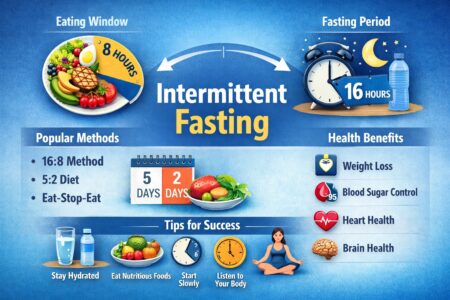
Instead of eating throughout the day, individuals follow a schedule where food consumption is limited to certain hours. For example, a person might eat within an eight-hour window and fast for the remaining sixteen hours.
This approach works because the body gradually shifts from using glucose as its primary fuel source to burning stored fat during longer fasting periods.
How Intermittent Fasting Works in the Body
When you eat food, the body converts carbohydrates into glucose, which is used for energy. Any excess energy is stored in the liver and muscles as glycogen.
During fasting periods, the body goes through several metabolic changes:
1. Insulin Levels Decrease
Lower insulin levels allow the body to access stored fat more easily for energy.
2. Human Growth Hormone Increases
Fasting may increase growth hormone levels, which supports fat metabolism and muscle maintenance.
3. Cellular Repair Processes Activate
The body begins repairing damaged cells and removing waste materials through processes like autophagy.
4. Fat Burning Increases
Once glycogen stores are depleted, the body begins using fat as its primary energy source.
These metabolic changes are the main reason intermittent fasting is often associated with weight loss and improved metabolic health.
Popular Intermittent Fasting Methods
There are several intermittent fasting methods, and individuals can choose one that fits their lifestyle and health goals.
16:8 Method
The 16:8 method is one of the most common fasting approaches. It involves fasting for 16 hours and eating during an 8-hour window.
Example schedule:
- Eating window: 12 PM – 8 PM
- Fasting period: 8 PM – 12 PM the next day
Many beginners prefer this method because it is relatively easy to follow.
5:2 Diet
In the 5:2 method, individuals eat normally for five days of the week and limit calorie intake to about 500–600 calories on two non-consecutive days.
This approach allows flexibility while still creating a weekly calorie deficit.
Eat-Stop-Eat
This method involves a 24-hour fast once or twice per week. For example, someone might stop eating after dinner one day and resume eating at dinner the following day.
While effective for some people, it may be challenging for beginners.
Alternate-Day Fasting
Alternate-day fasting involves fasting every other day. On fasting days, calorie intake may be significantly reduced.
This method can produce strong results but requires greater discipline and planning.
Potential Health Benefits
Intermittent fasting has gained attention not only for weight loss but also for its potential health benefits.
Weight Loss and Fat Reduction
By limiting the eating window, many people naturally consume fewer calories. Combined with increased fat burning, this may support gradual and sustainable weight loss.
Improved Blood Sugar Control
Fasting may help reduce insulin resistance, which can improve blood sugar regulation and lower the risk of type 2 diabetes.
Heart Health Support
Some studies suggest intermittent fasting may reduce risk factors for heart disease, including high cholesterol, blood pressure, and inflammation.
Brain Health Benefits
Emerging research indicates fasting may support brain health by promoting the production of brain-derived neurotrophic factor (BDNF), a protein that supports brain function.
Cellular Repair and Longevity
Fasting may activate cellular repair processes that help remove damaged cells and support long-term health.
Who Can Benefit from Intermittent Fasting?
Intermittent fasting may be helpful for individuals who want to:
- Manage body weight
- Improve metabolic health
- Simplify meal planning
- Reduce frequent snacking
- Support healthy lifestyle habits
However, results vary depending on individual lifestyle, diet quality, and consistency.
Tips for Starting Intermittent Fasting
If you are new to intermittent fasting, starting gradually can make the transition easier.
Start with a Shorter Fasting Window
Begin with a 12-hour fasting period and slowly extend it to 14 or 16 hours.
Stay Hydrated
Drink plenty of water throughout the day. Herbal tea and black coffee are also commonly allowed during fasting periods.
Focus on Nutrient-Dense Foods
During the eating window, prioritize whole foods such as:
- Lean proteins
- Whole grains
- Fruits and vegetables
- Healthy fats
Eating balanced meals helps maintain energy levels and prevents excessive hunger.
Avoid Overeating
Some people compensate for fasting by overeating during eating periods. Maintaining balanced portion sizes is important for achieving the desired health benefits.
Listen to Your Body
Fatigue, dizziness, or persistent discomfort may indicate that the fasting method needs adjustment.
Possible Risks and Side Effects
Although intermittent fasting is generally safe for many healthy adults, it may not be suitable for everyone.
Common early side effects may include:
- Hunger
- Fatigue
- Headaches
- Irritability
- Difficulty concentrating
These symptoms often improve as the body adapts to the new eating schedule.
However, certain groups should avoid or consult a healthcare professional before trying intermittent fasting, including:
- Pregnant or breastfeeding women
- Individuals with a history of eating disorders
- People with certain medical conditions
- Those taking medications that require regular food intake
Personal health conditions should always be considered before making significant dietary changes.
Intermittent Fasting vs Traditional Dieting
Traditional dieting focuses primarily on reducing calorie intake and choosing specific foods to eat or avoid. Intermittent fasting, on the other hand, focuses on meal timing.
Some individuals find intermittent fasting easier to maintain because it reduces the need for constant calorie counting. Instead of managing multiple small meals throughout the day, they simply follow a structured eating window.
However, intermittent fasting is not a magic solution. Healthy food choices and balanced nutrition remain essential for long-term success.
Final Thoughts
Intermittent fasting is a flexible and increasingly popular approach to improving health and managing weight. By structuring eating and fasting periods, many individuals find it easier to regulate calorie intake, improve metabolic health, and simplify their daily eating habits.
While research continues to explore its long-term effects, many people have successfully incorporated intermittent fasting into their lifestyle with positive results.
For the best outcomes, intermittent fasting should be combined with balanced nutrition, regular physical activity, and adequate sleep. Individuals with medical concerns should consult a healthcare professional before beginning any fasting regimen.
When practiced responsibly, intermittent fasting can become a sustainable tool for supporting long-term health and wellness.