Personal Hygiene
Personal hygiene refers to the daily habits and practices people follow to maintain cleanliness and protect their health. These habits are essential for preventing illnesses, maintaining physical well-being, and promoting self-confidence. Proper hygiene reduces the spread of harmful bacteria, viruses, and other pathogens that can cause infections and diseases.
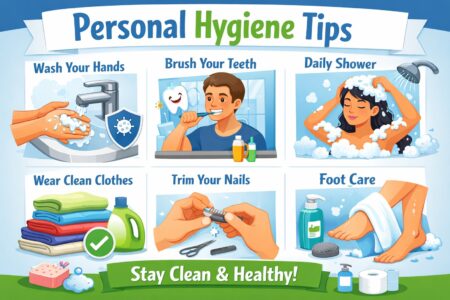
Maintaining good hygiene is not only about appearance; it is a critical component of overall health. Simple routines such as washing hands, bathing regularly, brushing teeth, and wearing clean clothes play a significant role in keeping the body healthy. Developing these habits early in life helps individuals maintain better health throughout adulthood.
In modern society, personal hygiene is also closely connected to social interaction. Cleanliness influences how individuals feel about themselves and how they are perceived by others. Practicing proper hygiene contributes to a positive self-image, improved mental well-being, and better quality of life.
Why Personal Hygiene Is Important
Personal hygiene plays a vital role in maintaining both physical and mental health. Poor hygiene can lead to infections, skin conditions, dental problems, and the spread of contagious diseases.
One of the most significant benefits of good hygiene is disease prevention. Many harmful microorganisms spread through direct contact, contaminated surfaces, or poor sanitation practices. Regular cleaning of the body and surroundings helps minimize these risks.
Good hygiene also promotes psychological well-being. Feeling clean and fresh boosts confidence and reduces stress. People who maintain good hygiene habits often feel more comfortable in social and professional environments.
Additionally, personal hygiene supports public health. When individuals practice cleanliness, it reduces the risk of spreading infections within communities, workplaces, and households.
Daily Personal Hygiene Habits
Maintaining good hygiene requires consistent daily habits. These routines help keep the body clean and protect against harmful bacteria and germs.
Regular Hand Washing
Hand washing is one of the most effective ways to prevent illness. Hands come into contact with numerous surfaces throughout the day, making them a common source of germs. Washing hands with soap and water for at least 20 seconds helps remove bacteria and viruses.
It is especially important to wash hands before eating, after using the restroom, after coughing or sneezing, and after touching public surfaces.
Bathing or Showering
Bathing regularly removes sweat, dirt, and bacteria from the skin. A daily shower helps prevent body odor and reduces the risk of skin infections. Using mild soap and warm water ensures that the skin remains clean without becoming overly dry.
Proper bathing also includes cleaning areas such as underarms, feet, and behind the ears where bacteria can accumulate.
Oral Hygiene
Maintaining oral hygiene is essential for preventing tooth decay, gum disease, and bad breath. Brushing teeth at least twice a day with fluoride toothpaste removes plaque and food particles.
Flossing once a day helps clean areas between teeth that a toothbrush cannot reach. Regular dental checkups further support long-term oral health.
Wearing Clean Clothes
Clothing absorbs sweat, dirt, and bacteria throughout the day. Wearing clean clothes helps maintain freshness and prevents skin irritation. Undergarments, socks, and workout clothing should be changed daily to reduce bacterial growth.
Proper laundering practices, including washing clothes with detergent and drying them thoroughly, ensure cleanliness and hygiene.
Personal Hygiene and Disease Prevention
Maintaining proper hygiene significantly reduces the risk of many common illnesses. Germs can easily spread through contact with contaminated surfaces or infected individuals.
Respiratory infections, gastrointestinal illnesses, and skin infections often occur due to poor hygiene practices. Regular hand washing, proper sanitation, and maintaining a clean living environment can greatly reduce the spread of these diseases.
Food hygiene is another important aspect of disease prevention. Washing hands before preparing meals, cleaning kitchen surfaces, and properly storing food help prevent foodborne illnesses.
Public health organizations worldwide emphasize hygiene practices as a primary method for controlling infectious diseases.
Hygiene Practices for Different Parts of the Body
Different areas of the body require specific hygiene practices to maintain cleanliness and prevent health issues.
Skin Care
The skin acts as a protective barrier against environmental contaminants. Proper skin hygiene includes daily cleansing, moisturizing, and protecting the skin from excessive sun exposure.
Regularly cleaning cuts and wounds also helps prevent infections.
Hair Care
Hair hygiene is important for maintaining scalp health. Washing hair regularly removes dirt, oil, and product buildup. The frequency of hair washing may vary depending on hair type, lifestyle, and environmental factors.
Using appropriate hair care products can help maintain healthy hair and scalp conditions.
Nail Care
Clean and trimmed nails prevent the accumulation of dirt and bacteria. Long or unclean nails can harbor germs that spread infections.
Regular nail trimming and cleaning under the nails are simple practices that support better hygiene.
Foot Hygiene
Feet are often enclosed in shoes for long periods, creating a warm and moist environment where bacteria and fungi can thrive. Washing feet daily and keeping them dry helps prevent conditions such as athlete’s foot and unpleasant odors.
Wearing breathable footwear and changing socks regularly also supports foot health.
Personal Hygiene for Children and Teenagers
Teaching hygiene habits at an early age helps children develop lifelong healthy routines. Parents and caregivers play a crucial role in guiding children toward proper hygiene practices.
Young children should learn basic habits such as hand washing, brushing teeth, and bathing regularly. Encouraging these routines in a positive way helps them understand the importance of cleanliness.
Teenagers may experience increased sweating and skin changes due to hormonal development. Teaching them about deodorant use, regular showers, and proper skincare can help them manage these changes effectively.
Schools and communities can also promote hygiene education to ensure children understand the importance of cleanliness and disease prevention.
Environmental Hygiene and Clean Living Spaces
Personal hygiene is closely connected to environmental cleanliness. Maintaining a clean home and workspace reduces the presence of germs and allergens.
Regular cleaning of frequently touched surfaces such as doorknobs, phones, keyboards, and kitchen counters helps minimize contamination. Proper waste disposal and adequate ventilation also contribute to a healthier environment.
Laundry hygiene is equally important. Towels, bedding, and clothing should be washed regularly to prevent the buildup of bacteria and allergens.
By keeping both personal and environmental spaces clean, individuals can create healthier living conditions.
Building Consistent Hygiene Habits
Developing good hygiene habits requires consistency and awareness. Simple daily routines can gradually become automatic behaviors that support long-term health.
Creating a hygiene schedule can help individuals remember essential tasks such as brushing teeth, bathing, and cleaning personal items. Using reminders or establishing a morning and evening routine can also reinforce these habits.
Education and awareness play a key role in promoting hygiene practices. Understanding how germs spread and how hygiene prevents illness motivates individuals to maintain proper routines.
Consistency, proper education, and access to clean water and sanitation resources are essential factors in maintaining good personal hygiene.
Conclusion
Personal hygiene is a fundamental aspect of healthy living. Maintaining cleanliness through daily habits such as hand washing, bathing, oral care, and wearing clean clothes helps prevent diseases and improves overall well-being.
Beyond physical health, good hygiene enhances confidence, promotes positive social interactions, and supports mental wellness. By practicing consistent hygiene routines and maintaining clean living environments, individuals can protect themselves and their communities from preventable illnesses.
Developing strong hygiene habits is a lifelong investment in health, comfort, and quality of life. Small daily actions can have a significant impact on long-term well-being, making personal hygiene one of the most important pillars of a healthy lifestyle.