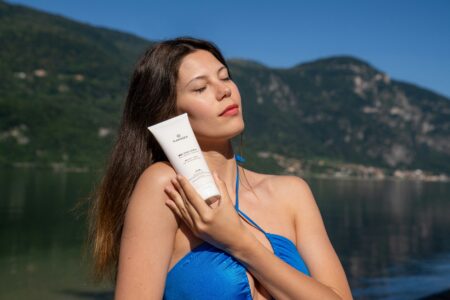
When it comes to skincare, one product stands out as a non-negotiable: sunscreen. Many people understand the significance of protecting their skin from harmful UV rays, but there’s often confusion around how much sunscreen to use on the face for optimal protection. Whether you’re soaking up the sun at the beach or simply running errands in your neighborhood, understanding proper application is key to keeping your skin healthy and glowing. Let’s dive into why sun protection for your face is crucial and uncover expert recommendations that will help you shield yourself effectively from those damaging rays.
The Importance of Sun Protection for the Face
The skin on your face is delicate and often the first to show signs of sun damage. Exposure to UV rays can lead to premature aging, fine lines, and dark spots. These effects are not just cosmetic; they can also increase the risk of skin cancer.
Daily sunscreen use is vital for everyone, regardless of skin type or tone. Even those with darker complexions need protection since UV rays can still cause damage beneath the surface.
Sun exposure doesn’t only happen during beach days; it’s present year-round. Cloudy weather or indoor lighting doesn’t shield you from harmful rays either. By prioritizing sun protection on your face, you’re investing in long-term health and vitality for your skin.
Don’t underestimate the cumulative effects of daily sun exposure—it adds up over time! Making sunscreen a part of your daily routine helps safeguard against these hidden dangers while keeping your complexion radiant.
Factors to Consider When Choosing and Applying Sunscreen
When selecting sunscreen, consider your skin type. Oily or acne-prone skin may benefit from lightweight, non-comedogenic formulas. If you have dry skin, opt for a moisturizing sunscreen.
Next, check the SPF level. A minimum of SPF 30 is recommended for adequate protection against harmful UV rays. Broad-spectrum sunscreens shield against both UVA and UVB radiation.
Don’t overlook water resistance if you’re engaging in outdoor activities or swimming. Look for products labeled as water-resistant for up to 40 or 80 minutes.
Pay attention to ingredients too. Mineral-based formulas with zinc oxide or titanium dioxide are great for sensitive skin while chemical options often absorb better but can irritate some users.
Apply generously—most adults need about a shot glass full (approximately two tablespoons) just for their face and neck area alone!
Sunscreen Dosage Recommendations from Experts
Experts suggest using about a nickel-sized amount of sunscreen for your face. This quantity ensures adequate coverage without leaving the skin feeling overly greasy.
If you’re applying it around sensitive areas like the eyes, use less to avoid irritation. It’s crucial to apply an even layer over your entire face, including often-missed spots such as the ears and neck.
For those with beards or longer hair, make sure to cover any exposed skin thoroughly. Remember that more is typically better when it comes to sun protection; if in doubt, add a little extra.
Reapplying every two hours is essential for maintaining effectiveness, especially after sweating or swimming. When you do reapply, use the same amount as before for consistent protection throughout your day outdoors.
Different Types of Sunscreen for the Face
When it comes to sunscreen for the face, options abound. Chemical sunscreens absorb UV rays and convert them into heat, releasing them from the skin. These often feature lightweight formulas that blend seamlessly into your complexion.
Mineral sunscreens, on the other hand, contain zinc oxide or titanium dioxide. They sit on top of the skin and reflect harmful rays away. Many prefer these because they’re less irritating for sensitive skin types.
Hybrid formulations combine both chemical and mineral ingredients to provide broad-spectrum protection while maintaining a lightweight feel.
Additionally, tinted sunscreens offer dual benefits—sun protection along with a hint of color correction. This makes them an excellent choice for those looking to even out their skin tone while shielding against damaging UV exposure.
Consider your skin type when choosing between these options; each serves unique needs in achieving effective sun protection.
Tips for Applying and Reapplying Sunscreen on the Face
Applying sunscreen correctly is crucial for effective protection. Start with a clean face. This ensures that your skin absorbs the product better.
Use about a nickel-sized amount of sunscreen specifically for your face. Dabbing it on different sections helps you cover every area evenly.
Don’t forget spots like your ears, neck, and even around the eyes! These areas often get overlooked but are just as vulnerable to sun damage.
Reapplication is essential, especially if you’re sweating or near water. Aim to reapply every two hours or immediately after swimming or heavy perspiration.
For those busy days, consider using a spray or powder sunscreen designed for touch-ups over makeup. This makes it easier to stay protected without disrupting your look throughout the day.
Always check the expiration date of your sunscreen; expired products won’t provide adequate protection against harmful UV rays.
The Importance of Other Protective Measures
While sunscreen is essential, it’s not the only line of defense against harmful UV rays. Incorporating other protective measures can significantly enhance your sun safety routine.
Wearing a wide-brimmed hat shields your face and neck from direct sunlight. It offers style while serving a functional purpose. Lightweight, long-sleeved clothing made with UV-protective fabric provides excellent coverage without sacrificing comfort.
Sunglasses are crucial for protecting your eyes from UV damage. Look for polarized lenses that block 100% of UVA and UVB rays to keep those peepers safe.
Seeking shade during peak sun hours—typically between 10 AM and 4 PM—can reduce exposure dramatically. Finding a cozy spot under an umbrella or tree helps minimize risk.
Combining these methods with sunscreen creates a robust shield against skin damage, allowing you to enjoy outdoor activities wisely and safely.
Conclusion
Protecting your face from the sun is essential for maintaining healthy skin. The right amount of sunscreen can make a significant difference in preventing damage and aging.
Choosing the appropriate sunscreen based on your skin type, activity level, and environmental factors is crucial. Understanding how much sunscreen to use on your face ensures you are adequately protected against harmful UV rays.
Experts recommend applying a generous amount—about a nickel-sized dollop—to cover the entire face effectively. Remember that not all sunscreens are created equal, so pick one that suits your needs best.
Different formulations offer various benefits, whether it’s a lightweight gel or a hydrating cream. Each has its unique advantages depending on personal preferences and skin requirements.
Application techniques also play an important role in protection effectiveness. Be sure to apply evenly and reapply every two hours or immediately after sweating or swimming.
Additionally, incorporating other protective measures like hats and sunglasses can enhance overall sun safety for your facial skin.
Taking these steps seriously will ensure you’re doing everything possible to maintain radiant and youthful-looking skin while enjoying time outdoors.