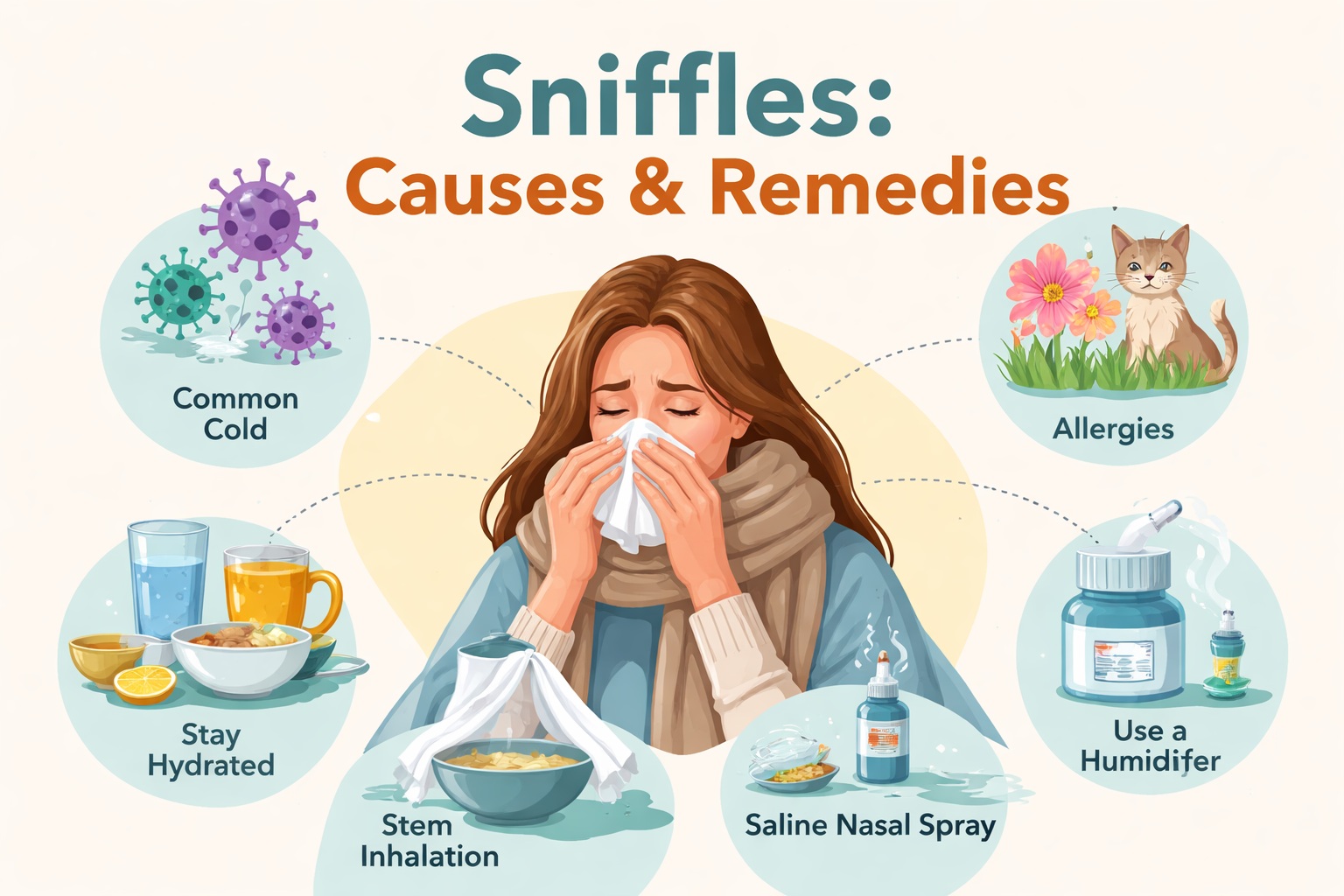
Sniffles: Causes, Symptoms, and Effective Relief Tips
Introduction
Sniffles are a common yet often annoying condition that affects people of all ages. Whether it’s a mild runny nose, constant sniffing, or slight nasal congestion, sniffles can interfere with daily activities and comfort. While they are usually harmless and short-lived, understanding their causes and how to manage them effectively can make a big difference.
This guide explores everything you need to know about sniffles—from causes and symptoms to treatments and prevention—so you can handle them confidently and comfortably.
What Are Sniffles?
Sniffles refer to a mild nasal condition characterized by a runny or congested nose, often accompanied by frequent sniffing. It is not a medical diagnosis on its own but rather a symptom associated with various underlying conditions.
Sniffles can occur occasionally due to environmental factors or more frequently as a result of allergies, infections, or sensitivities.
Common Causes of Sniffles
Understanding the root cause of sniffles is essential for proper treatment. Here are the most common reasons:
1. Common Cold
One of the leading causes of sniffles is the common cold. Viral infections irritate the nasal lining, leading to excess mucus production.
Key signs:
- Runny nose
- Sneezing
- Mild sore throat
- Low-grade fever
2. Allergies
Allergic reactions occur when the immune system responds to harmless substances like dust, pollen, or pet dander.
Common triggers:
- Seasonal pollen
- Dust mites
- Mold
- Animal fur
Allergy-related sniffles may last longer than a cold and often include itching and watery eyes.
3. Weather Changes
Sudden changes in temperature, especially cold weather, can trigger sniffles. Cold air tends to dry out nasal passages, causing irritation and increased mucus production.
4. Irritants
Exposure to irritants such as smoke, strong perfumes, or pollution can lead to temporary sniffles.
5. Sinus Issues
Sinus infections or inflammation (sinusitis) can also cause persistent sniffles, often with thicker mucus and facial pressure.
Symptoms Associated with Sniffles
Sniffles may appear mild, but they often come with a range of symptoms depending on the underlying cause.
Common symptoms include:
- Runny or stuffy nose
- Frequent sniffing
- Sneezing
- Post-nasal drip
- Mild headache
- Watery eyes (in allergies)
In most cases, these symptoms are temporary and manageable at home.
How Sniffles Affect Daily Life
Although sniffles are not usually serious, they can be inconvenient and disruptive.
Impact areas:
- Work productivity: Constant sniffing can be distracting
- Sleep quality: Nasal congestion may disturb sleep
- Social interactions: Frequent nose blowing can be uncomfortable
Managing sniffles early can help prevent these disruptions.
Effective Home Remedies for Sniffles
Most cases of sniffles can be treated effectively at home using simple remedies.
1. Stay Hydrated
Drinking plenty of fluids helps thin mucus, making it easier to clear nasal passages.
Best options:
- Water
- Herbal teas
- Warm soups
2. Steam Inhalation
Inhaling steam can relieve nasal congestion and soothe irritated nasal tissues.
How to do it:
- Boil water
- Pour into a bowl
- Inhale steam carefully with a towel over your head
3. Use a Humidifier
Dry air can worsen sniffles. A humidifier adds moisture to the air, helping ease nasal irritation.
4. Saline Nasal Spray
Saline sprays help cleanse the nasal passages and reduce congestion naturally.
5. Rest
Giving your body time to recover is crucial, especially if sniffles are caused by a viral infection.
Medical Treatments for Sniffles
If home remedies are not enough, medical options can help manage symptoms.
1. Antihistamines
Used for allergy-related sniffles, antihistamines reduce allergic reactions and relieve symptoms.
2. Decongestants
These medications reduce nasal swelling and improve airflow.
3. Nasal Sprays
Steroid nasal sprays can be effective for chronic sniffles caused by allergies or inflammation.
4. Pain Relievers
Over-the-counter pain relievers can help with associated headaches or discomfort.
Important: Always use medications as directed and consult a healthcare professional if needed.
When to See a Doctor
While sniffles are usually harmless, there are times when medical attention is necessary.
Seek help if you experience:
- Symptoms lasting more than 10 days
- High fever
- Severe sinus pain
- Thick green or yellow mucus
- Difficulty breathing
These could indicate a more serious condition requiring treatment.
Preventing Sniffles
Prevention is always better than cure. Here are some practical tips to reduce your risk:
1. Practice Good Hygiene
- Wash hands regularly
- Avoid touching your face
- Use tissues instead of hands
2. Avoid Allergens
If you have allergies, identify and minimize exposure to triggers.
3. Maintain Indoor Air Quality
- Use air purifiers
- Keep your home clean
- Avoid smoking indoors
4. Boost Immunity
A strong immune system helps your body fight infections more effectively.
Healthy habits include:
- Balanced diet
- Regular exercise
- Adequate sleep
Sniffles in Children
Children are more prone to sniffles due to developing immune systems and frequent exposure to germs.
Special considerations:
- Ensure proper hydration
- Use child-safe remedies
- Monitor symptoms closely
Consult a pediatrician if symptoms worsen or persist.
Sniffles vs. More Serious Conditions
It’s important to differentiate sniffles from more serious respiratory issues.
| Condition | Key Difference |
|---|---|
| Common Cold | Mild, short-term symptoms |
| Allergies | Long-lasting, triggered by environment |
| Sinus Infection | Facial pain and thick mucus |
| Flu | High fever and body aches |
Recognizing these differences helps in choosing the right treatment approach.
Conclusion
Sniffles may seem like a minor inconvenience, but they can affect your comfort and daily life if not managed properly. By understanding their causes—whether it’s a cold, allergies, or environmental factors—you can take the right steps toward relief.
Simple home remedies, proper hygiene, and preventive measures often go a long way in managing sniffles effectively. However, if symptoms persist or worsen, seeking medical advice ensures timely treatment and peace of mind.
With the right approach, sniffles can be handled quickly and efficiently, allowing you to get back to feeling your best.