Atelectasis: Causes, Symptoms, Diagnosis and Treatment
Introduction to Atelectasis
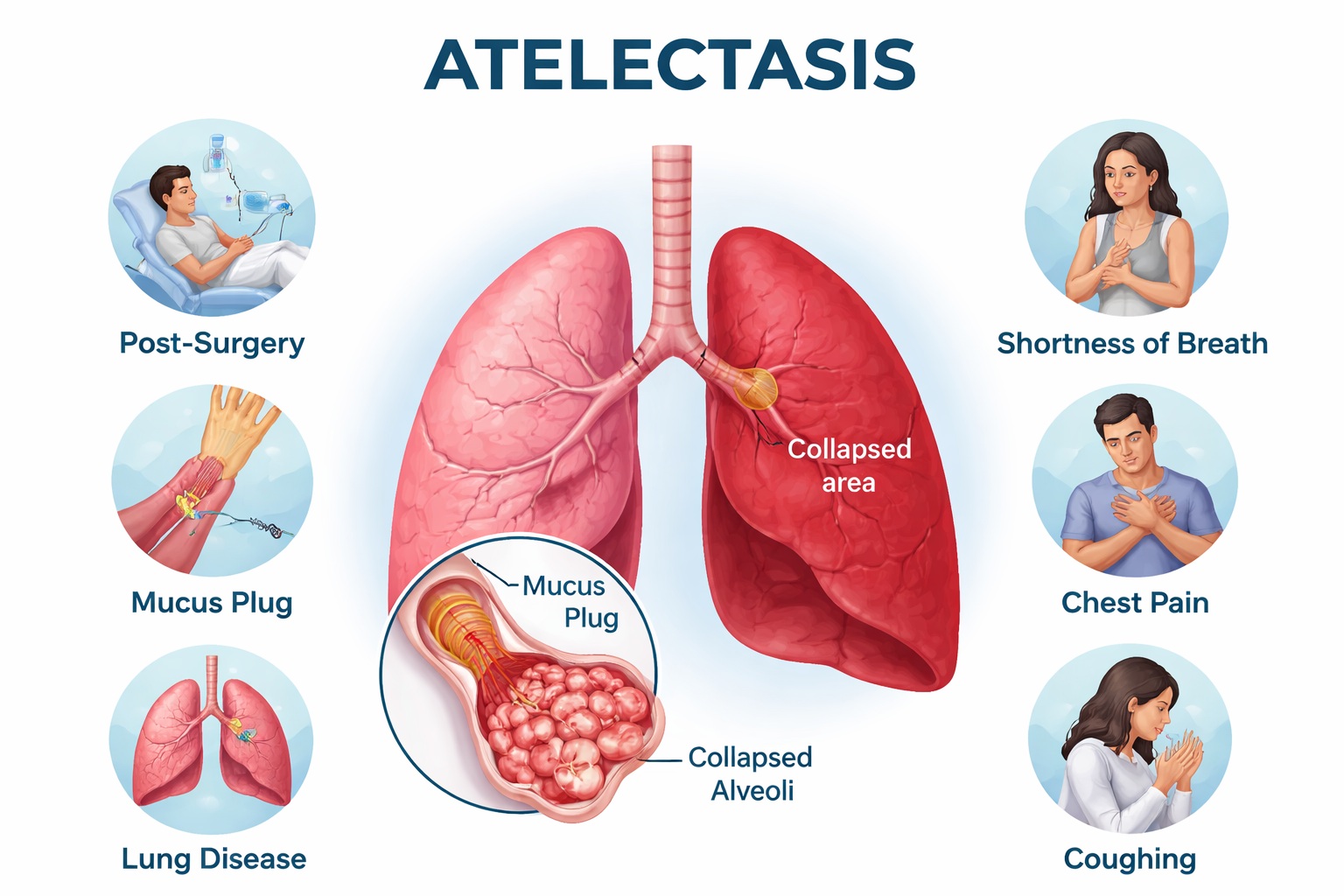
Atelectasis is a medical condition characterized by the partial or complete collapse of lung tissue, which leads to reduced or absent gas exchange in the affected area. It is not a disease itself but rather a sign or complication of underlying respiratory issues. Atelectasis can affect a small portion of the lung or, in more severe cases, involve an entire lung, potentially leading to serious health consequences if left untreated.
This condition is commonly seen after surgery, particularly procedures involving the chest or abdomen, but it can also occur due to airway obstruction, lung diseases, or external pressure on the lungs. Understanding the causes, symptoms, and treatment options for Atelectasis is essential for timely intervention and improved outcomes.
Types of Atelectasis
Atelectasis can be classified into several types based on its underlying cause and mechanism:
Obstructive (Resorptive) Atelectasis
This is the most common type and occurs when an obstruction blocks the airway. The trapped air in the alveoli is gradually absorbed into the bloodstream, causing the lung tissue to collapse. Causes may include mucus plugs, foreign objects, or tumors.
Non-Obstructive Atelectasis
This type occurs without airway blockage and includes several subtypes:
- Compression Atelectasis: Caused by pressure from outside the lungs, such as fluid buildup (pleural effusion) or tumors.
- Adhesive Atelectasis: Occurs when there is a deficiency of surfactant, a substance that helps keep the alveoli open.
- Cicatricial Atelectasis: Results from lung scarring due to chronic infections or diseases.
- Relaxation Atelectasis: Happens when the lung loses contact with the chest wall, often due to air or fluid in the pleural space.
Causes of Atelectasis
Several factors can lead to the development of atelectasis. These include:
Post-Surgical Complications
After surgery, especially under general anesthesia, patients tend to take shallow breaths due to pain or sedation. This can lead to reduced lung expansion and eventual collapse.
Airway Obstruction
Blockages in the airway can prevent air from reaching the alveoli. Common causes include mucus buildup, inhaled foreign objects, or growths such as tumors.
Lung Diseases
Conditions like Chronic Obstructive Pulmonary Disease and Asthma can increase the risk of atelectasis by narrowing airways and affecting airflow.
Chest Injuries
Trauma to the chest wall can restrict breathing and lead to lung collapse.
Prolonged Bed Rest
Immobility, especially in hospitalized patients, can reduce lung expansion and increase the risk of atelectasis.
Pleural Conditions
Fluid accumulation or air leakage in the pleural space can compress the lungs, causing collapse.
Symptoms of Atelectasis
The symptoms of atelectasis can vary depending on the extent and severity of lung involvement. Mild cases may not produce noticeable symptoms, while more severe cases can present with:
- Shortness of breath
- Rapid, shallow breathing
- Persistent cough
- Chest pain, especially when breathing deeply
- Low oxygen levels (hypoxemia)
- Increased heart rate
In severe cases, untreated atelectasis may lead to complications such as Pneumonia due to impaired clearance of mucus and bacteria.
Diagnosis of Atelectasis
Accurate diagnosis is essential for effective treatment. Healthcare providers use a combination of clinical evaluation and diagnostic tests:
Physical Examination
Doctors may detect decreased breath sounds or abnormal lung sounds using a stethoscope.
Imaging Tests
- Chest X-ray: The most common tool to identify areas of lung collapse.
- CT Scan: Provides more detailed images to determine the cause and extent of atelectasis.
Bronchoscopy
This procedure involves inserting a thin, flexible tube into the airways to visualize and remove blockages if present.
Blood Tests
Arterial blood gas analysis may be used to assess oxygen and carbon dioxide levels in the blood.
Treatment Options for Atelectasis
Treatment depends on the underlying cause and severity of the condition. Common approaches include:
Breathing Exercises
Deep breathing techniques and the use of incentive spirometers help expand the lungs and improve airflow.
Chest Physiotherapy
This includes techniques such as percussion and postural drainage to help clear mucus from the lungs.
Medications
- Bronchodilators to open airways
- Mucolytics to thin mucus
- Antibiotics if infection is present
Removal of Obstruction
In cases of airway blockage, bronchoscopy may be used to remove mucus plugs or foreign objects.
Oxygen Therapy
Supplemental oxygen may be provided to maintain adequate oxygen levels in the blood.
Surgery
In rare cases, surgical intervention may be required to remove tumors or repair structural issues.
Prevention of Atelectasis
Preventive measures are especially important for individuals at higher risk, such as post-surgical patients and those with chronic lung conditions. Key strategies include:
- Practicing deep breathing exercises regularly
- Using an incentive spirometer after surgery
- Staying physically active to promote lung expansion
- Avoiding smoking, which damages lung tissue
- Managing underlying respiratory conditions effectively
Healthcare providers often encourage early mobilization after surgery to reduce the risk of complications like atelectasis.
Complications Associated with Atelectasis
If not treated promptly, atelectasis can lead to several complications, including:
- Respiratory failure
- Recurrent lung infections
- Reduced oxygen supply to vital organs
- Permanent lung damage in severe cases
The risk of complications is higher in older adults, smokers, and individuals with pre-existing lung diseases.
When to Seek Medical Attention
It is important to seek medical care if you experience:
- Sudden or worsening shortness of breath
- Persistent chest pain
- Difficulty breathing after surgery
- Signs of infection such as fever or productive cough
Early diagnosis and treatment can significantly improve outcomes and prevent serious complications.
Conclusion
Atelectasis is a common yet potentially serious condition that involves the collapse of lung tissue, leading to impaired breathing and oxygen exchange. While it often occurs as a complication of surgery or underlying respiratory issues, it is usually treatable when identified early. Understanding its causes, recognizing symptoms, and following appropriate treatment and prevention strategies can greatly reduce the risk of complications.
By maintaining good respiratory health and seeking timely medical care, individuals can effectively manage atelectasis and support optimal lung function over the long term.