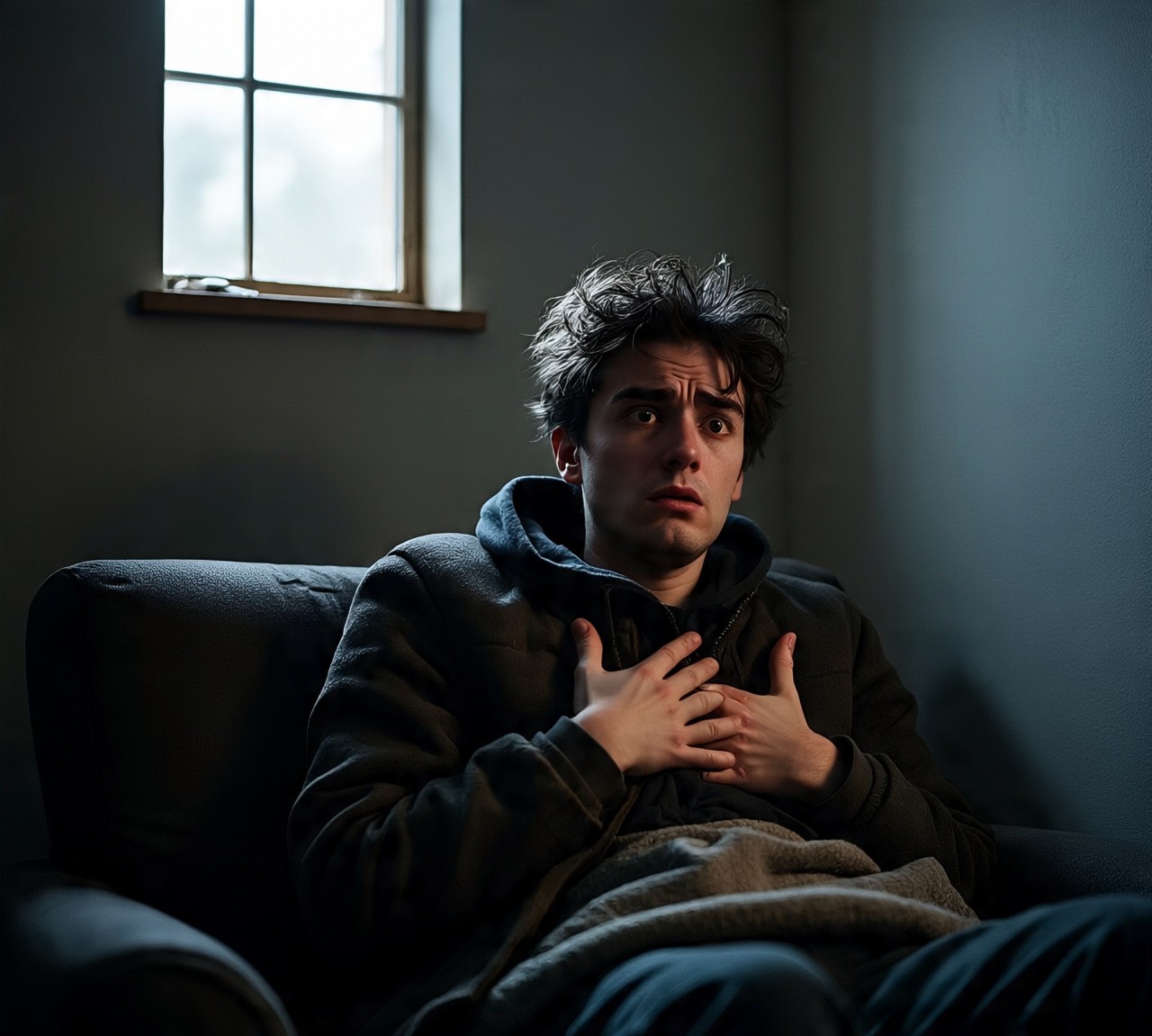
Panic Attacks: Causes, Symptoms & Treatment
Panic attacks can feel overwhelming and frightening, especially if you experience them for the first time. Many people describe a panic attack as a sudden wave of intense fear or discomfort that appears without warning. During an episode, your body reacts as if it is facing real danger, even when there is no immediate threat.
These episodes can affect both physical and emotional well-being. Understanding what panic attacks are, why they happen, and how to manage them can make a huge difference in improving your mental health and overall quality of life. In this guide, we will explore the symptoms, causes, and effective ways to cope with panic attacks.
What Is a Panic Attack?
A panic attack is a sudden episode of intense fear that triggers severe physical reactions. It can happen without any clear cause or warning. Panic attacks usually reach their peak within 10 minutes, but the symptoms may last longer in some cases.
During a panic attack, the body activates its “fight-or-flight” response. This natural survival mechanism prepares the body to respond to danger. However, in the case of panic attacks, this response occurs even when there is no real threat present.
People who experience panic attacks may feel as though they are losing control, having a heart attack, or even dying. Although panic attacks can feel extremely serious, they are generally not life-threatening.
Common Symptoms of Panic Attacks
Panic attacks can involve a wide range of physical and emotional symptoms. These symptoms often appear suddenly and can feel very intense.
Some of the most common symptoms include:
- Rapid or pounding heartbeat
- Shortness of breath or difficulty breathing
- Chest pain or discomfort
- Sweating
- Trembling or shaking
- Dizziness or lightheadedness
- Nausea or stomach discomfort
- Feeling detached from reality
- Fear of losing control
- Fear of dying
Not everyone experiences the same symptoms. Some people may have mostly physical symptoms, while others may experience more emotional distress.
Causes of Panic Attacks
The exact cause of panic attacks is not always clear. However, several factors may contribute to their development.
1. Stress and Life Changes
High levels of stress can increase the risk of panic attacks. Major life events such as losing a job, moving to a new city, relationship problems, or financial difficulties may trigger intense anxiety that leads to panic episodes.
2. Genetics
Research suggests that panic attacks may run in families. If someone in your family has experienced panic disorder or anxiety disorders, you may have a higher chance of developing similar issues.
3. Brain Chemistry
Certain chemical imbalances in the brain may affect how the body responds to fear and stress. These changes can sometimes trigger sudden panic responses.
4. Trauma or Past Experiences
Experiencing traumatic events such as accidents, abuse, or significant loss can increase the likelihood of panic attacks. Emotional trauma can leave a lasting impact on how the brain processes fear.
5. Medical Conditions or Substances
Some medical conditions and stimulants may also trigger panic symptoms. For example, excessive caffeine, certain medications, or thyroid problems can sometimes mimic or worsen panic attack symptoms.
How Panic Attacks Affect Daily Life
Frequent panic attacks can significantly impact a person’s daily life. Many people start to worry about when the next attack will happen. This constant fear can lead to avoidance behaviors.
For example, someone who experienced a panic attack in a crowded place may start avoiding public areas, social gatherings, or traveling. Over time, this avoidance can limit personal freedom and affect relationships, work performance, and overall mental health.
In some cases, repeated panic attacks may lead to panic disorder, a condition where individuals live with ongoing fear of future attacks.
Effective Ways to Manage Panic Attacks
The good news is that panic attacks can be managed and treated. Many people learn techniques that help reduce the frequency and intensity of attacks.
1. Deep Breathing Techniques
When a panic attack occurs, breathing often becomes fast and shallow. Practicing slow, deep breathing can help calm the nervous system.
Try inhaling slowly through your nose for four seconds, holding the breath briefly, and then exhaling slowly through your mouth. Repeating this process can help regulate breathing and reduce panic symptoms.
2. Grounding Techniques
Grounding techniques help bring your attention back to the present moment. One common method is the 5-4-3-2-1 technique:
- Name 5 things you can see
- Name 4 things you can touch
- Name 3 things you can hear
- Name 2 things you can smell
- Name 1 thing you can taste
This exercise can help redirect your focus away from fearful thoughts.
3. Regular Physical Activity
Exercise is a powerful way to reduce stress and improve mental health. Physical activity releases endorphins, which are chemicals that boost mood and reduce anxiety.
Activities such as walking, jogging, yoga, or cycling can help maintain emotional balance and reduce the likelihood of panic attacks.
4. Practicing Mindfulness and Meditation
Mindfulness and meditation help train the mind to stay calm and focused. Regular practice can improve emotional control and reduce the intensity of anxious thoughts.
Even a few minutes of daily meditation can help lower stress levels and support mental well-being.
5. Limiting Caffeine and Stimulants
High amounts of caffeine can increase heart rate and mimic the physical symptoms of anxiety. Reducing caffeine intake may help prevent panic attacks in some individuals.
When to Seek Professional Help
Occasional panic attacks may not always require medical treatment. However, if panic attacks happen frequently or interfere with daily life, seeking professional help is important.
Mental health professionals can provide effective treatments such as therapy or medication when needed.
Cognitive Behavioral Therapy (CBT)
Cognitive Behavioral Therapy is one of the most effective treatments for panic attacks. It helps individuals understand and change negative thought patterns that trigger anxiety.
Through CBT, people learn coping skills that allow them to manage panic symptoms more effectively.
Medication
In some cases, doctors may prescribe medications to help control anxiety and reduce panic symptoms. These medications can support therapy and help individuals regain emotional stability.
Tips for Preventing Panic Attacks
While panic attacks cannot always be completely prevented, certain lifestyle habits may reduce their occurrence.
Helpful strategies include:
- Maintaining a regular sleep schedule
- Managing daily stress effectively
- Practicing relaxation techniques
- Staying physically active
- Talking openly about emotions with trusted people
Building healthy routines and coping strategies can greatly improve emotional resilience.
Final Thoughts
Panic attacks can be frightening, but they are manageable with the right knowledge and support. Understanding the symptoms, identifying triggers, and learning coping techniques can empower individuals to take control of their mental health.
If panic attacks are affecting your life, remember that you are not alone. Millions of people experience similar challenges, and effective treatments are available. With proper support, healthy lifestyle choices, and professional guidance when needed, it is possible to reduce panic attacks and live a calmer, more balanced life.