Ovulation Explained: Signs, Cycle & Fertility Insights
Understanding Ovulation: A Complete Guide
Ovulation is a crucial process in the female reproductive cycle that plays a central role in fertility and conception. Understanding ovulation can help women track their fertility, plan pregnancies, and recognize potential reproductive health issues. This guide explores ovulation in detail, including its biological process, signs, cycle timing, and factors that can affect it.
What Is Ovulation?
Ovulation is the phase in the menstrual cycle when a mature egg is released from the ovary and becomes available for fertilization. It typically occurs midway through the menstrual cycle, around 12 to 16 days before the start of the next period. The egg, once released, travels through the fallopian tube toward the uterus, where it may meet sperm for fertilization.
Without ovulation, conception cannot occur, making it a key component of fertility. Women who experience irregular ovulation may face challenges when trying to conceive.
The Menstrual Cycle and Ovulation
The menstrual cycle is divided into several phases, each of which prepares the body for potential pregnancy:
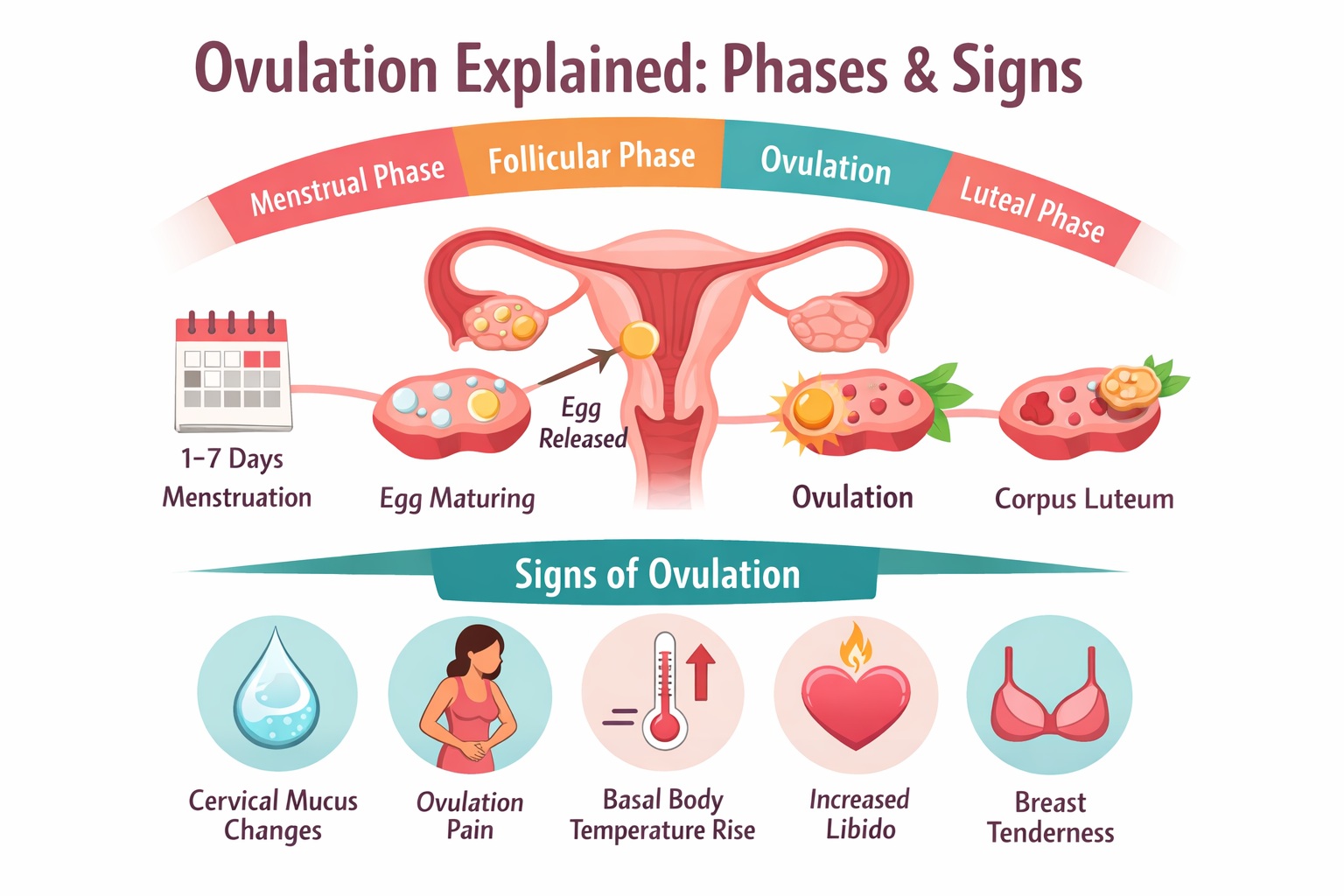
1. Menstrual Phase
This phase marks the beginning of the cycle. Menstruation involves shedding the uterine lining from the previous cycle and usually lasts 3 to 7 days.
2. Follicular Phase
During the follicular phase, the pituitary gland releases follicle-stimulating hormone (FSH), which stimulates the ovaries to produce multiple follicles. Each follicle contains an egg, but usually, only one reaches maturity.
3. Ovulation Phase
Triggered by a surge in luteinizing hormone (LH), ovulation occurs when a mature egg is released from the ovary. This phase typically happens around day 14 in a 28-day cycle but can vary depending on individual cycle length.
4. Luteal Phase
After ovulation, the empty follicle transforms into the corpus luteum, producing progesterone. This hormone prepares the uterine lining for implantation. If fertilization does not occur, hormone levels drop, leading to menstruation and the start of a new cycle.
Signs and Symptoms of Ovulation
Many women experience noticeable physical and emotional changes during ovulation. Recognizing these signs can help in identifying fertile days:
- Changes in Cervical Mucus
Cervical mucus becomes clearer, stretchy, and slippery, similar to raw egg white. This consistency helps sperm travel more easily to meet the egg. - Mild Pelvic or Abdominal Pain
Some women feel ovulation pain, also called “mittelschmerz,” on one side of the lower abdomen. - Breast Tenderness
Hormonal fluctuations may cause temporary tenderness or swelling in the breasts. - Increased Libido
Many women notice a natural increase in sexual desire around ovulation due to hormonal changes. - Basal Body Temperature Rise
After ovulation, basal body temperature (BBT) slightly increases, which can be tracked for fertility awareness.
Factors Affecting Ovulation
Several factors can influence ovulation, including lifestyle, health, and age:
- Age: Fertility declines with age, especially after 35, affecting ovulation regularity.
- Stress: Chronic stress can disrupt hormonal balance, delaying or preventing ovulation.
- Body Weight: Being underweight or overweight can interfere with hormonal cycles.
- Medical Conditions: Conditions like polycystic ovary syndrome (PCOS), thyroid disorders, and hormonal imbalances can affect ovulation.
- Medications: Certain medications, especially hormonal treatments or fertility drugs, can alter ovulation patterns.
How to Track Ovulation
Tracking ovulation is essential for women trying to conceive or monitor their reproductive health. Here are some common methods:
1. Ovulation Predictor Kits (OPKs)
OPKs detect the luteinizing hormone surge that triggers ovulation. They provide a clear indicator of fertile days.
2. Basal Body Temperature (BBT) Charting
Measuring BBT daily can show a slight temperature rise after ovulation, helping identify past ovulation and fertile windows.
3. Cervical Mucus Monitoring
Observing changes in cervical mucus can help predict ovulation. Fertile mucus is clear, stretchy, and slippery.
4. Calendar Method
Tracking menstrual cycles over several months allows women to estimate ovulation timing, though it may be less accurate for irregular cycles.
Ovulation and Fertility
Understanding ovulation is critical for conception. Fertile days occur a few days before and during ovulation, providing the best chance for sperm to fertilize the egg. Couples trying to conceive are often advised to have intercourse regularly during this fertile window.
Tips to Support Healthy Ovulation
- Maintain a Balanced Diet
Nutrients like folic acid, vitamin D, and omega-3 fatty acids support hormonal balance and ovulation. - Exercise Moderately
Regular physical activity helps regulate body weight and hormones, but excessive exercise may disrupt ovulation. - Manage Stress
Techniques like meditation, yoga, or deep breathing can reduce stress and support ovulatory cycles. - Track Cycles Consistently
Recording menstrual cycles, symptoms, and BBT can help detect patterns and identify irregular ovulation. - Consult a Healthcare Provider
For persistent irregular cycles or ovulation issues, seeking medical advice is important. Treatments may include hormonal therapy, fertility medications, or lifestyle modifications.
When to Seek Help
Women experiencing irregular periods, absent ovulation, or difficulty conceiving for over a year (or six months if over 35) should consult a reproductive health specialist. Early intervention can improve fertility outcomes and address underlying health concerns.
Conclusion
Ovulation is a fundamental aspect of female reproductive health, directly influencing fertility and the ability to conceive. Understanding the ovulation process, recognizing the signs, and tracking cycles empower women to take control of their reproductive health. Maintaining a healthy lifestyle, managing stress, and consulting healthcare providers when necessary can support regular ovulation and overall reproductive wellness.